1601438041344


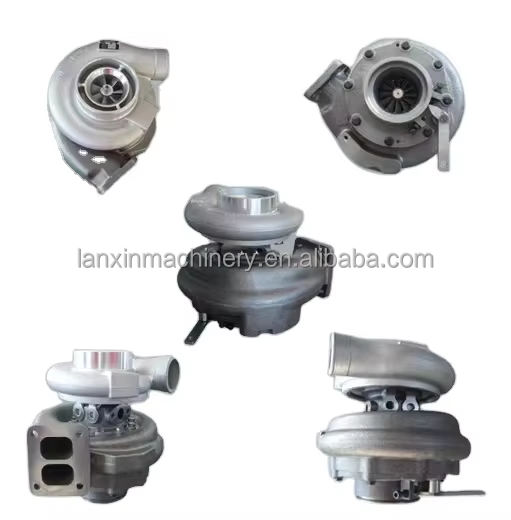
The RHG8V is the turbocharger mounted on the exhaust side of the Isuzu 6WG1, and its job is easy to state: take energy that would otherwise leave through the stack and use it to push more air into the cylinders. When the original unit wears, that air supply falls away and the engine loses the performance it was calibrated for, which is why a tired turbo feels like a tired engine. This engine turbocharger is built to take that position back — the same mounting footprint, the same oil feed and drain points, and the same compressor and turbine housing orientation as the unit it replaces.
Inside the housings, the rotating assembly is balanced as a matched set, and the bearings, seals and heat-resistant components are chosen for continuous heavy-load running rather than occasional use. Early, steady boost through a long climb is what a laden truck or a working machine actually needs, and that is the behaviour this unit is built around.
Because we work as a diesel engine parts supplier across engine, fuel and hydraulic categories, the same order can carry the gaskets, feed pipes, filters or sensors that usually get added once the old unit is off the machine — one shipment instead of three, and one set of documents to clear.

| Specification | Detail |
|---|---|
| Part number | 114400-4577 |
| Cross-reference | 250324 / RHG8V |
| Product name | Excavator turbocharger 1144004577 |
| Brand name | lanxin |
| Condition | New |
| Warranty | 6 months |
| Place of origin | China |
| Application | Excavator and heavy-duty diesel engine replacement |
| Applicable industries | Building Material Shops, Machinery Repair Shops, Manufacturing Plant, Retail, Construction works , Energy & Mining, Other |
| Video outgoing-inspection | Provided |
| Machinery test report | Provided |
| Marketing type | Ordinary Product |
| Part type | Turbocharger assembly |
| Quality grade | High-quality replacement |

Turbo references travel in several forms, and it pays to know which one you are holding. This unit is sold as 114400-4577, appears as 1144004577 in many parts systems, and carries the 250324 and RHG8V marks used by the turbo builder. The same diesel turbocharger can therefore sit in a catalogue, on a quotation and on the casting of your old unit under three different strings of characters — a number that does not match character for character is not automatically the wrong one, but it does have to be checked.
What decides fitment is the reference on your original unit: the plate on the compressor housing, or the number stamped on the failed assembly. Diesel engine manufacturers build the 6WG1 in more than one rating and emissions configuration, and the turbo fitted at the factory changes with the build year and the machine it went into. Send a clear photo of that plate, or type the number exactly as it reads, and we will check it against this unit before you commit.
If the number you find is clearly different, stop there. A turbo that looks similar but was built for another rating will bolt to the flange and still deliver the wrong boost curve, and that is a mistake you only notice after the cab is back together and the truck is loaded.
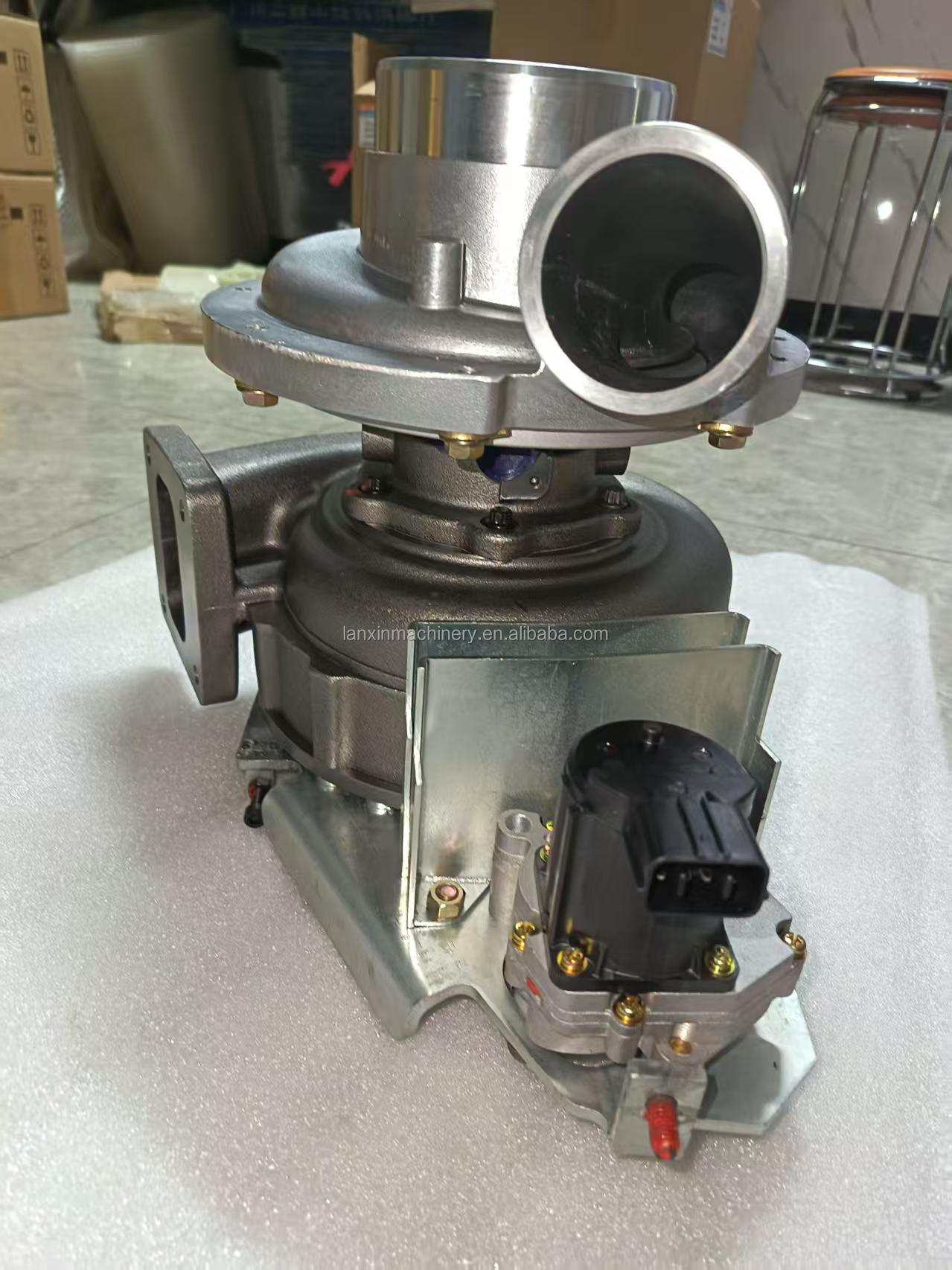
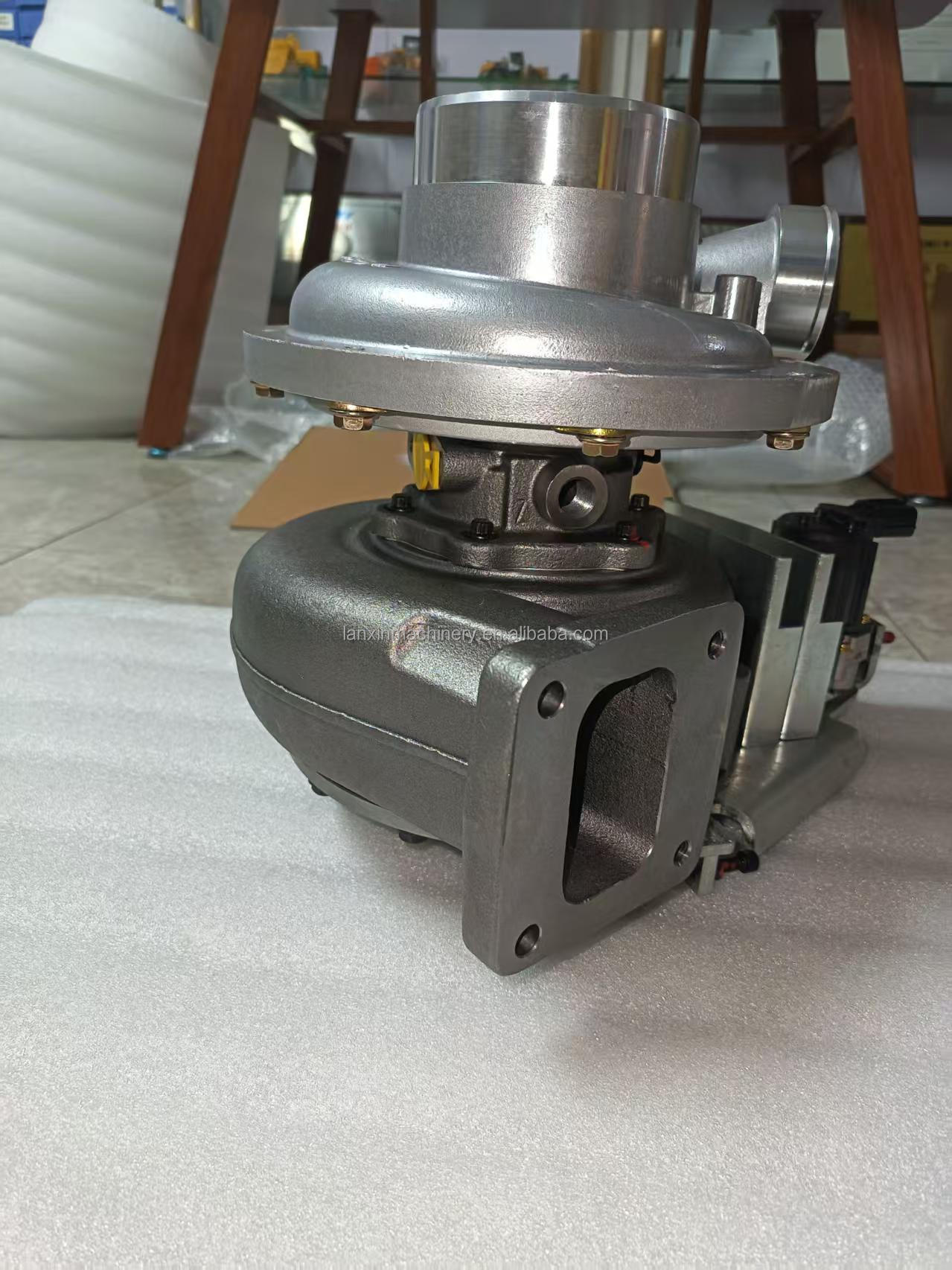
Balanced as an assembly. The compressor and turbine wheels are matched and balanced together on high-speed equipment before the housing is closed. Vibration is what wears a turbocharger out from the inside, so this step matters more than any single component in the box: an engine turbocharger that runs smooth from the first start keeps its bearings and seals alive far longer than one that hums.
Bearings and heat resistance. High-strength bearings carry the shaft at the speeds a loaded 6WG1 produces, and the turbine-side components are chosen to survive exhaust temperature instead of softening under it. Sealing is the other half of the job — a unit that keeps its oil inside the bearing housing and out of the intake protects the intercooler and everything behind it.
Dimensions held to the original layout. Mounting faces, port positions and housing orientation follow the original arrangement, so the unit sits where diesel engine manufacturers designed it to sit and the pipework lines up without improvisation. That saves time on the job and, more importantly, avoids the small misalignments that turn into leaks a few weeks later.
Oil control under load. Feed and drain passages are arranged to keep oil moving through the bearing housing both at full boost and at idle, because that is where most turbocharger failures quietly begin.
Every unit is dynamically balanced, leak-tested and performance-inspected before it is packed, and the results are recorded rather than assumed. The outgoing-inspection video and the machinery test report that come with this product are the two documents buyers ask for most often, and both can travel with the quotation or with the shipment. Ask for the records relating to the unit you are buying rather than a generic sheet, so the paperwork matches the serial in your workshop.
If a repair has to be signed off with documentation, tell us before dispatch and we will make sure the report is in the consignment. A specification sheet covering the reference numbers, mounting layout and application can also be sent as a file when your parts counter needs it on record.
We keep that paperwork because we work as a diesel engine parts supplier to workshops and fleets that have to justify what they fit; a turbo with no test record is hard to defend when your own customer asks what went into their machine.
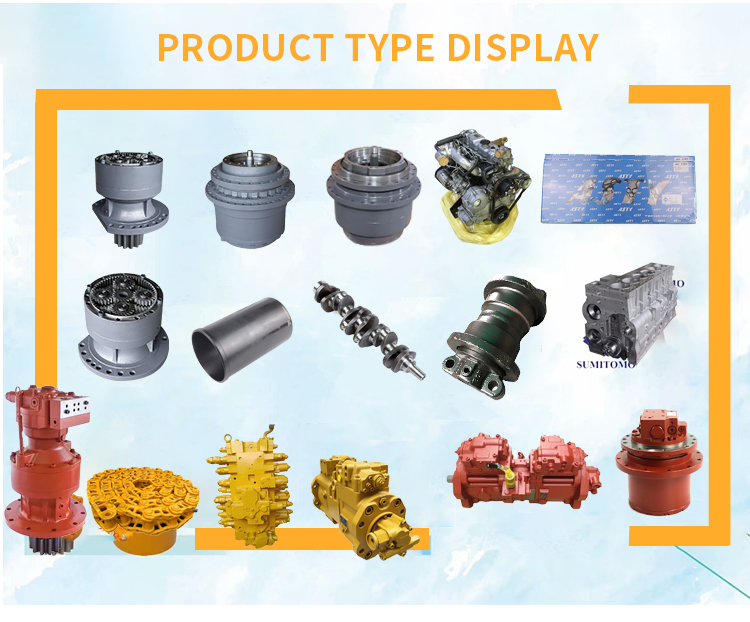

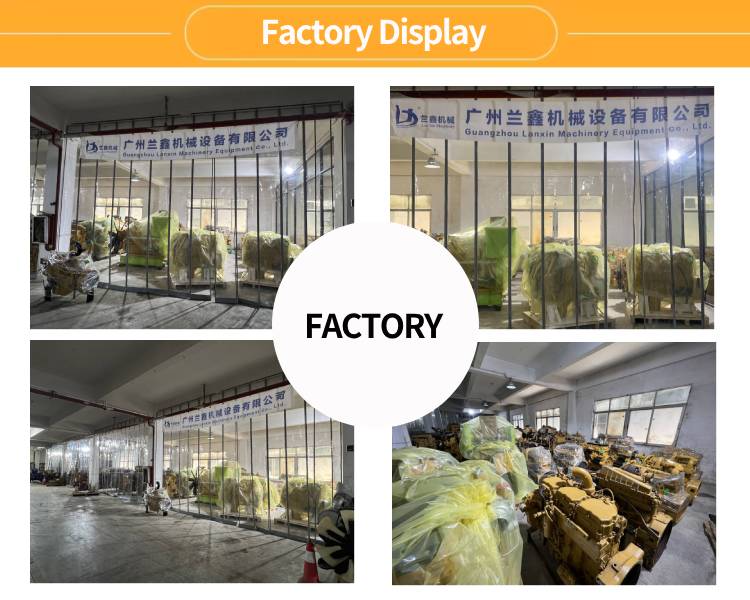
Choosing the right reference is where most orders succeed or fail, so our team works with you before you commit: send the equipment details and the numbers you already have, and we will cross-check them against the options our supplier network holds, confirm the details that decide fitment, and suggest an alternative when a number has been replaced. After delivery we stay reachable by email, phone and video for installation questions and fault-finding. Founded in 2008 and based in Guangzhou, we export to Asia, Europe, Africa, the Americas and Oceania.

It is built for Isuzu diesel engine applications that use the 6WG1, in heavy trucks and in construction and mining machinery. Check the engine model and the turbo reference on your original housing before ordering, because the 6WG1 was built in more than one rating and the turbo changed with the build.
It replaces 114400-4577 (also written 1144004577) and 250324 (RHG8V). Match those numbers before you buy any turbocharger: housings look alike across the family, and only the reference tells you which rating a unit was built for.
The inspection is carried out on the finished, assembled turbocharger, so the paperwork describes the unit in your crate rather than a sample pulled from the batch. Ask for the report to be issued against your order reference and the part number you are replacing, so the sheet can be filed with that machine's service history instead of sitting loose in a folder.
If you need to sign off before dispatch, say so when you request the quotation. The record can travel ahead of the shipment for your workshop or procurement staff to review, or it can be packed with the unit if you would rather it arrive together. Buyers running several machines of the same model often ask for the same routine on every order, so successive replacements behave consistently across a fleet.
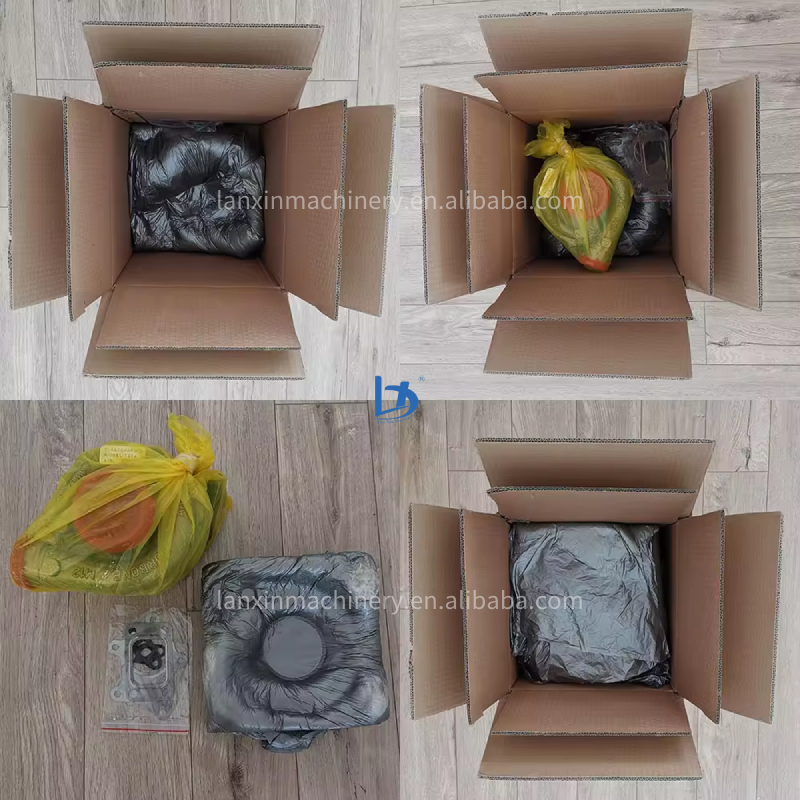
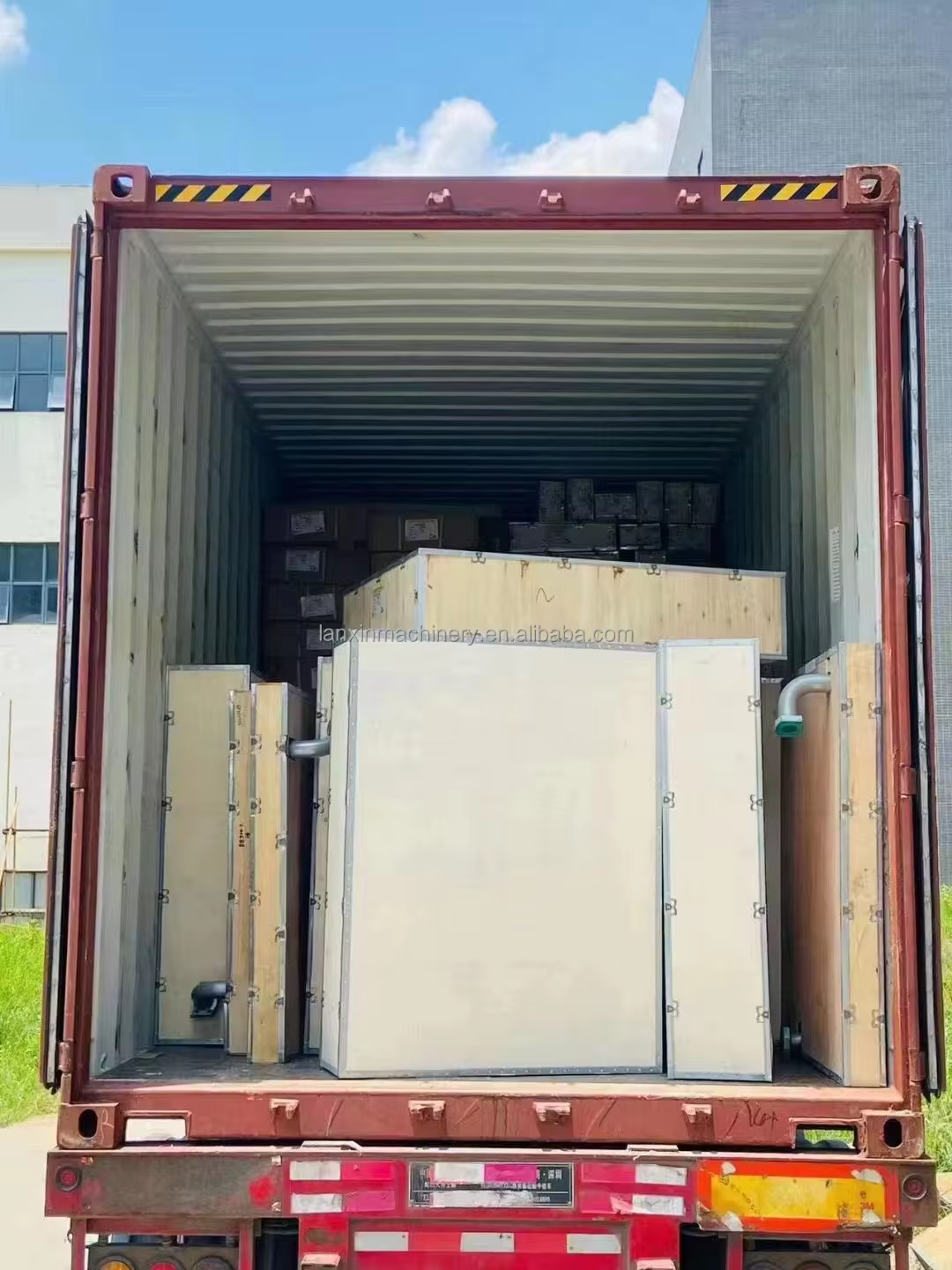
On arrival, unpack and inspect before the crate is moved into stores. Check the compressor and turbine housings for impact marks, confirm the inlet and outlet are still capped, and look over the mounting flange faces. If anything is visibly disturbed, photograph it and note it with the carrier before signing, then send the photos through so the claim can be handled against the delivery rather than blamed on installation.
Keep the caps in place until the moment of fitting, and store the unit in its packaging, dry and upright, if the repair is postponed. Before the first start, prime the oil inlet with clean engine oil and confirm the feed line and drain are clear, since a dry start is the most common way a healthy replacement is damaged in its first minutes.
It is worth doing. A restricted or sludged feed line is one of the most common ways a fresh unit is destroyed, and reusing worn diesel engine parts around it — the line, the drain, a collapsing intake hose — simply repeats the failure that killed the first turbo.
It is a mechanical replacement, so there is no programming step. What it needs is a clean intake and exhaust path, a primed oil supply and the torque figures from the engine workshop manual. Give any turbocharger engine work a boost check on the first test run as well, so a fault elsewhere in the charge-air system is not blamed on the new unit.