1601438041344


What it is
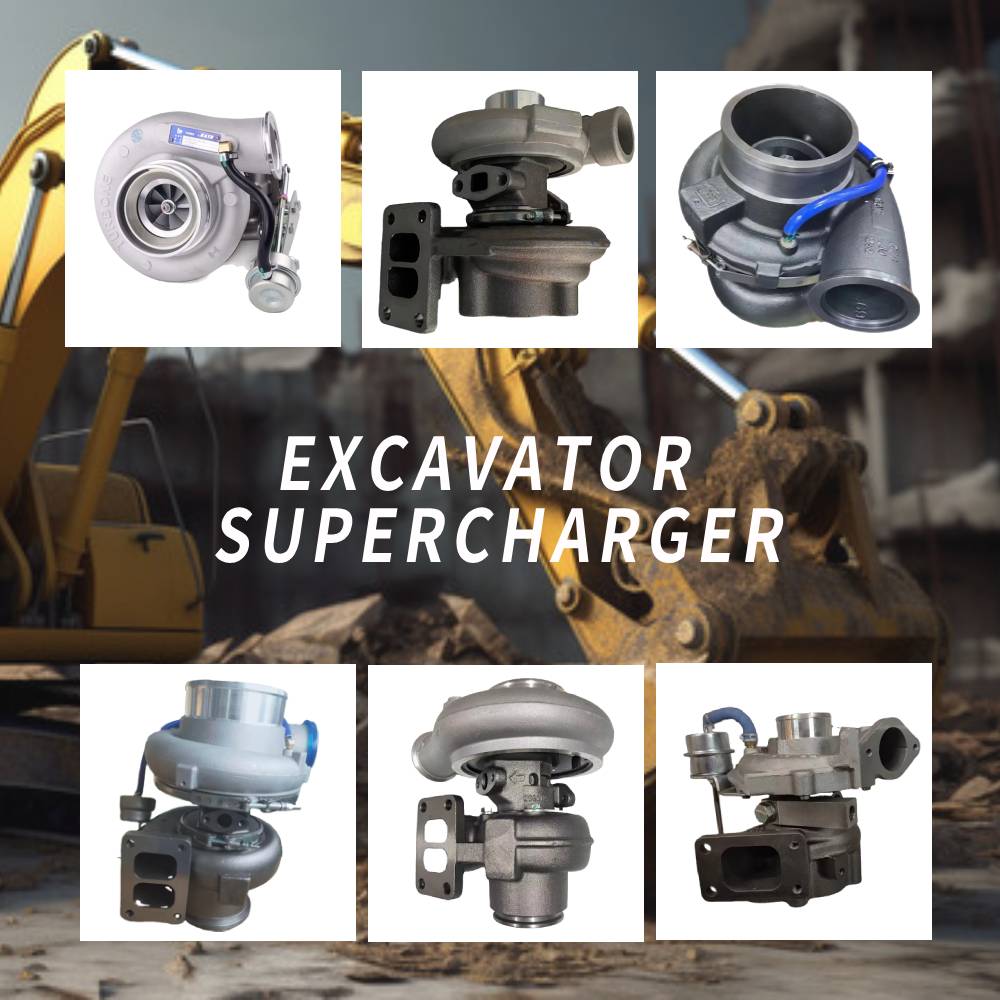
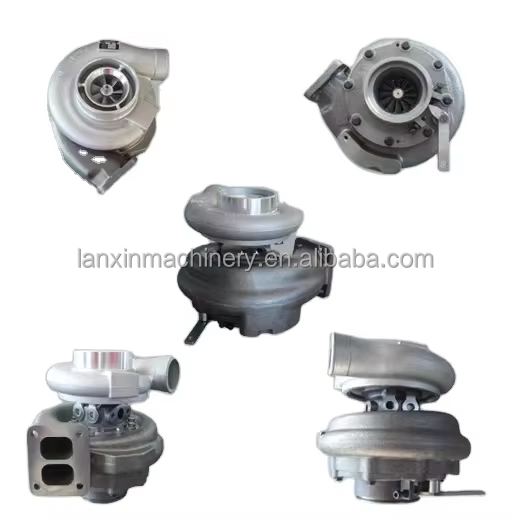
The turbocharger on an Isuzu 6HK1 decides how the whole machine feels, and this diesel turbocharger is the replacement unit for that engine. It mounts on the same manifold and uses the same oil connections as the original, with the compressor and turbine housings oriented so the intake and exhaust pipework go back where they came from.
What it restores
A turbocharged diesel is calibrated around a known air charge. When the engine turbocharger is worn or seized, that charge drops and the engine burns more fuel to compensate — power falls away, exhaust temperature climbs, and the same bucket of material costs more to move. Fitting a fresh unit puts the air back where the fuel curve expects it, so torque returns to its normal band and the machine works at the pace its duty cycle assumes.
Who orders it
Most people who come to us sourcing a replacement turbocharger are in the same position: a machine is down, someone is waiting, and the part has to be right the first time. Independent repair workshops, machinery dealers and parts counters, fleet maintenance teams and owner-operators all order this unit — either because a turbo has failed on a machine that has to go back to work, or because the engine is being overhauled and the turbo is going back on with it.
| Attribute | Detail |
| Product name | Excavator turbocharger |
| Brand name | lanxin |
| Condition | New |
| Place of origin | China |
| Engine compatibility | Isuzu 6HK1 diesel engine |
| Turbine housing | High-temperature resistant |
| Compressor wheel | Premium alloy |
| Certification | RoHS/CE Certificate |
| Testing before shipment | Professional testing, including dynamic balancing, leak test and rotor inspection |
| Applicable industries | Building Material Shops, Machinery Repair Shops, Manufacturing Plant, Retail, Construction works , Energy & Mining, Other |
| Typical equipment | Excavators, construction and mining machinery, industrial diesel equipment |
Which engine it fits
This unit is built for Isuzu 6HK1 diesel engine applications. That engine appears in excavators, construction machinery, mining and quarry equipment, industrial plant and other heavy-duty machines, so one reference covers a lot of ground — but only where the 6HK1 is actually under the bonnet.
What it does not fit
It is not a universal turbocharger. A 4HK1 or a 6WG1 takes a different unit, and even inside the 6HK1 family the mounting pattern and pipework have to match the build of the engine in front of you. Machine colour and model badge are not enough on their own.
How to confirm it
Read the engine plate on the machine and the identification tag on the old turbocharger, and compare both with the number you are ordering. If the machine has been re-engined, or a previous owner fitted something that did not match, the tag on the old unit is the only reliable evidence you have.
Why we say this plainly
We are a diesel engine parts supplier, not one of the diesel engine manufacturers, and we would rather state that than let a buyer assume otherwise. A turbo that does not fit costs a week of labour and a customer who does not come back, so the reference is checked before anything is packed.
The reference
This turbocharger is listed as 11400-4380, and parts systems that drop the dash show exactly the same unit. It is one reference, not a choice between two versions.
Why the number beats the model name
A machine plate tells you the engine is a 6HK1; it does not tell you which build of that engine, or which turbo was fitted at the factory or by the owner before you. Mismatches happen precisely there. Read the number stamped on the compressor housing or printed on the identification tag, and order against that.
If the tag is missing
Photographs usually settle it: the flange faces, the housing casting marks, and the angle of the oil inlet and drain. Send those with the engine plate details and the reference can be confirmed without guesswork.
Where the number comes from
The digits are the ones the diesel engine manufacturers use for this engine series, which is why the same reference turns up in parts systems in different countries, and why an aftermarket replacement can be ordered by number rather than by description.


| Item | Term |
|---|---|
| Minimum order quantity | 1 piece |
| Warranty | 3-6 months |
| Other conditions | Renewed or used units can be quoted separately |
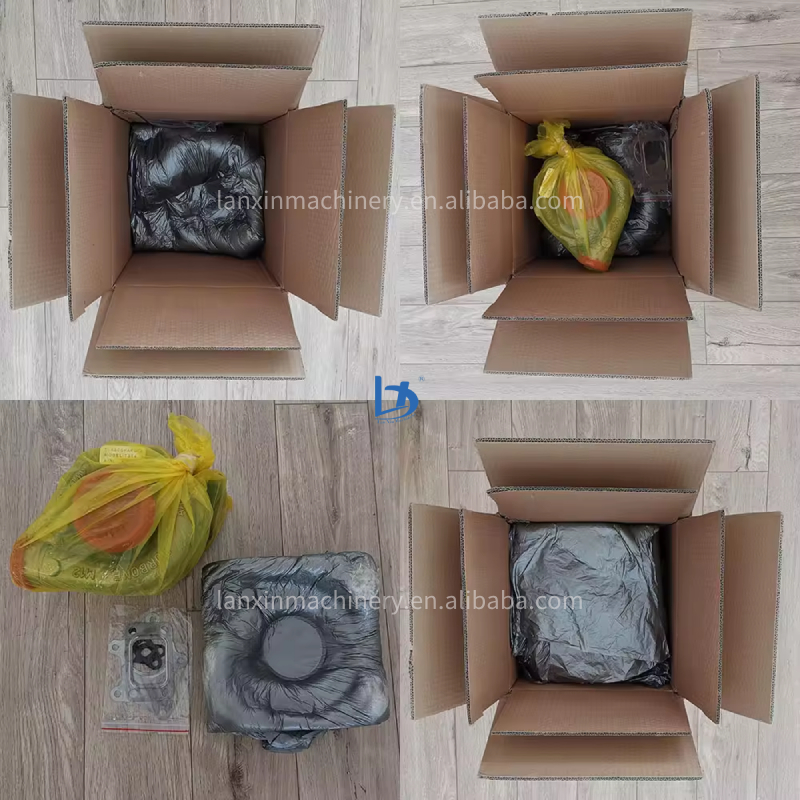
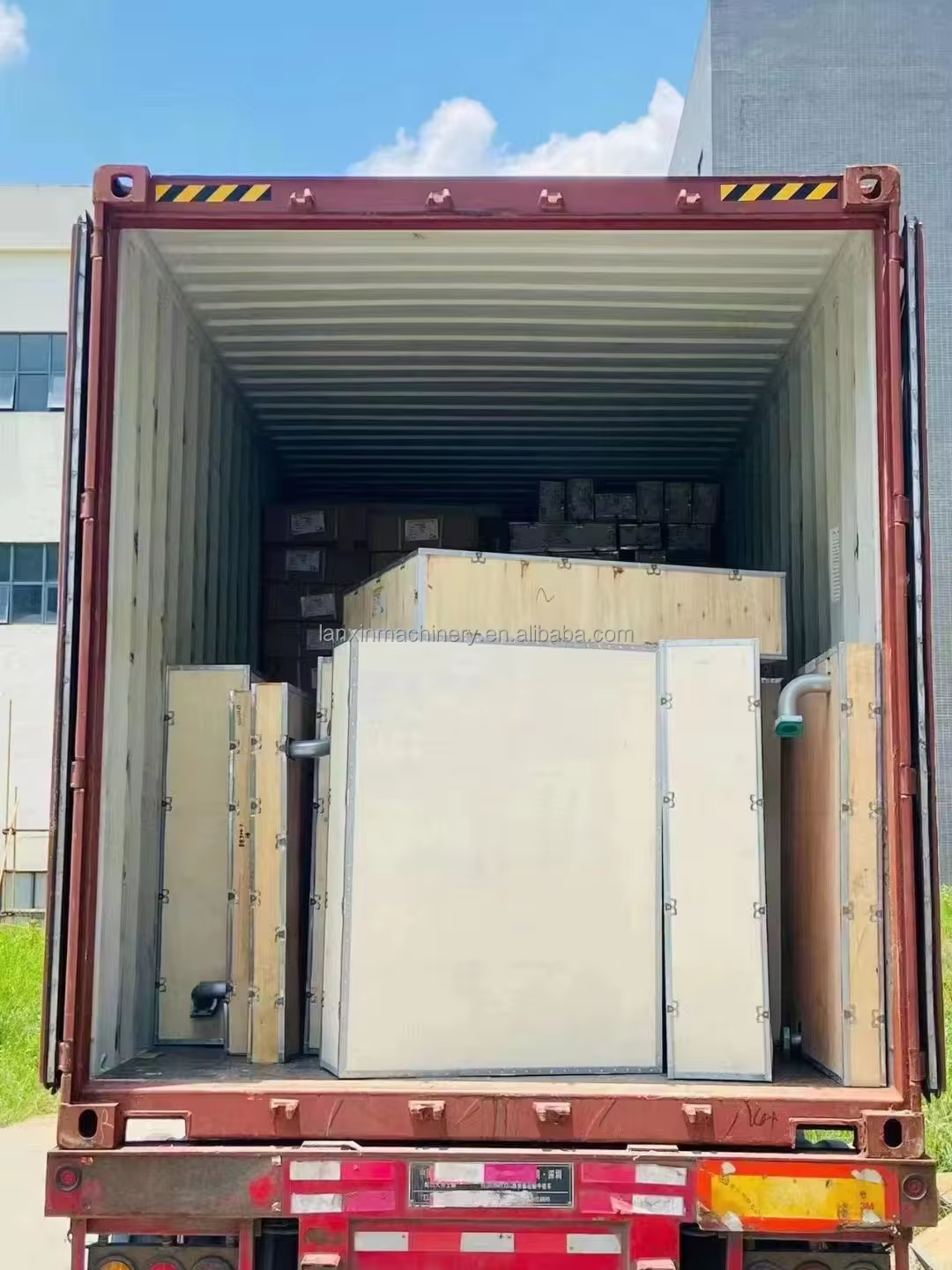
| Packing | wooden case/carton box |
| Packed size and weight | 50 × 40 × 40 cm, 60 kg gross per unit |
| Shipment | Express,Air ,Sea |
| Shipping ways | Express/Freight/Sea/Train/Air/Road/Postal/Intermodal transport |
| Carriers | DHL, FedEx, TNT, UPS, EMS, city line |
| Payment methods | T/T, Money Gram, Western Union, PayPal |
| Payment terms | L/C, T/T, Western Union, Trade Assurance |
| Delivery time | 1-3 days (depend on order) |
| Export markets | Asia, Europe, Africa, the Americas and Oceania |

Choosing the right reference is where most orders succeed or fail, so our team works with you before you commit: send the equipment details and the numbers you already have, and we will cross-check them against the options our supplier network holds, confirm the details that decide fitment, and suggest an alternative when a number has been replaced. After delivery we stay reachable by email, phone and video for installation questions and fault-finding. Founded in 2008 and based in Guangzhou, we export to Asia, Europe, Africa, the Americas and Oceania.

This engine turbocharger is built for Isuzu 6HK1 diesel engine applications, the six-cylinder unit used across a wide range of excavators and industrial machinery. Fitment is confirmed by the reference rather than by the machine badge alone, so check the tag on your old unit as well as the engine plate before ordering. Send us a photo of both and, as a diesel engine parts supplier, we will match them against this unit before it ships.
It replaces 11400-4380 (114004380) — one reference written with and without the dash, not two different options. Match it to the number stamped on the old turbocharger or shown on its identification tag. If the two differ, stop and check with us rather than fitting on the assumption that the machine model is enough. The digits are the same ones the diesel engine manufacturers use for this engine series, so the number is portable across parts systems and borders.
Excavators, construction machinery, mining and quarry equipment, industrial plant, and other heavy-duty machines running a 6HK1 engine. Because that engine appears in so many excavator parts programmes, this is one of the few turbochargers a workshop can treat as a stock item instead of a special order. It is not shared with other engine families — a 4HK1 or a 6WG1 takes a different unit.
Yes. Every diesel turbocharger is dynamically balanced on high-speed equipment, leak tested as a complete assembly, rotor-inspected, and passed through a final quality check before it is packed. The machinery test report and the outgoing inspection video can travel with your order if your own customer or your own quality process needs them.
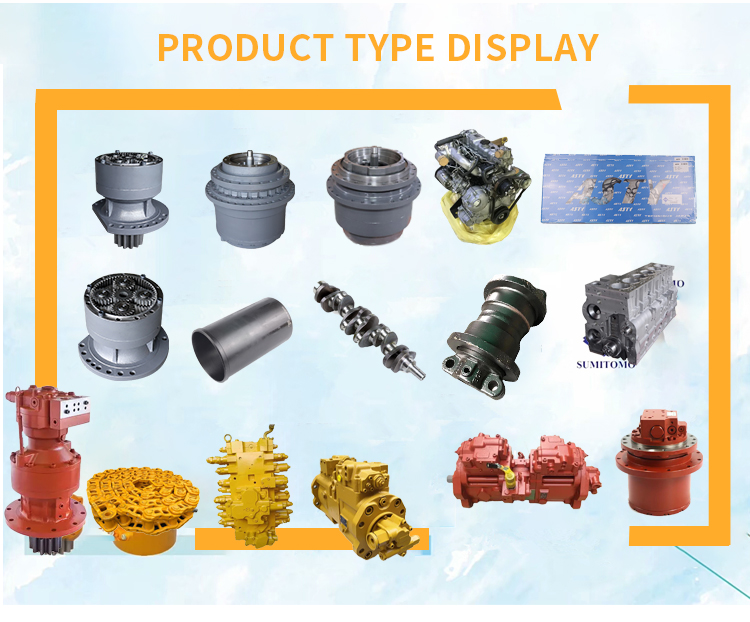
Yes. Alongside turbochargers we supply complete diesel engine assemblies, cylinder heads, crankshafts, fuel injectors, fuel injection pumps, overhaul kits, hydraulic pumps, starter motors, alternators, ECUs and a broad range of construction machinery spare parts. As a diesel engine parts supplier covering several engine families, if you need excavator engine parts for a different model, send the reference and we will check what is available.
Almost always something upstream: a restricted air filter, oil that was never changed on schedule, a partly blocked oil feed line starving the bearing, or debris left in the intake after an earlier repair. A boost control fault that lets the unit overspeed does the same thing. Sourcing a replacement turbocharger is the easy half of the job — finding what killed the old one is what stops the new one going the same way, so tell us what the machine was doing when it failed.
Compare the new unit with the old one on the bench first: flange faces, the angle of the oil inlet and drain, and the compressor housing orientation. Turn the compressor wheel by hand — it should spin freely with no contact. Then check the diesel engine components that feed it: the oil feed line, the drain and the intake hoses, replacing anything restricted or contaminated. On an older machine it is also worth looking at the excavator parts around the manifold, because a cracked flange or a blown gasket will undo a good turbo within a few hours.